 Reviews

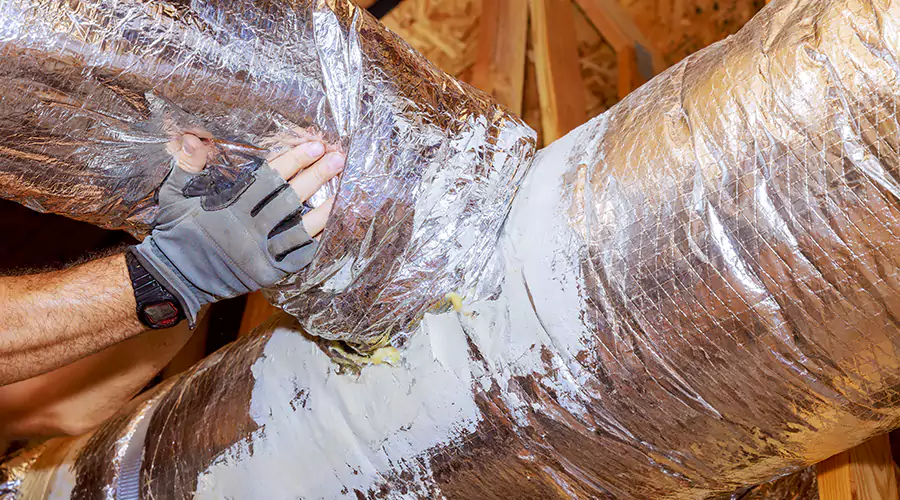
Leaky ducts reduce how much conditioned air reaches your rooms and force your HVAC system to work harder. When leaky ductwork is present you may notice weak airflow and uneven temperatures and higher energy bills. Air can escape into attics or crawl spaces before it reaches living areas which lowers comfort. Small leaks may be repaired while widespread damage may require replacement. The best choice depends on duct condition and system performance and long term cost. A professional inspection can measure airflow and locate leaks. Fixing duct issues helps improve comfort and reduce energy waste and protect your HVAC system.
Why Ductwork Problems Matter?
Duct systems control how air moves through your home and directly affect comfort and efficiency. When ducts fail the system cannot deliver air evenly or effectively. This leads to performance issues across multiple rooms.
How Duct Issues Impact System Performance?
Common HVAC duct problems reduce airflow and increase system workload. This can cause longer run times and uneven temperatures. Addressing duct issues improves both comfort and equipment performance.
Signs Your Ductwork May Be Leaking
Leaking air ducts can create warning signs throughout the home. Some signs are easy to notice, while others appear slowly over time.
Watch for these common problems:
- Some rooms feel harder to heat or cool.
- Vents deliver less air than before.
- Energy bills rise without a clear reason.
- The HVAC system runs longer than normal.
- Dust appears quickly after cleaning.
- Rooms feel stuffy or uncomfortable.
- Attic or crawl space ducts look loose.
These signs do not always prove that ducts are leaking, but they show when inspection makes sense.
Repair or Replace: Quick Comparison
The decision between duct repair or replacement should be based on condition, cost, and long-term value. A small leak may only need sealing, while badly worn ducts may need replacement.
| Duct Condition | Repair May Work | Replacement May Be Better |
|---|---|---|
| Minor leaks | Sealing can restore airflow | Usually not needed |
| Loose connection | Reconnection may solve issue | Needed if sections are damaged |
| Crushed duct | Repair may help small damage | Replace if airflow is blocked |
| Heavy rust or decay | Temporary repair may not last | Replacement is often better |
| Very old ducts | Repair may be short-term | Replacement may offer better value |
| Poor duct layout | Limited repair may not solve comfort | Redesign may be needed |
This table can help you understand what a technician may consider.
When Ductwork Repair Makes Sense?
Repair is effective when problems are limited and the system remains structurally sound. It allows targeted fixes without major expense. This option works best for newer systems.
What Types of Damage Can Be Repaired?
Ductwork repair can fix small leaks and loose connections and minor damage. These repairs restore airflow and improve efficiency. Localized fixes often deliver quick results.
When Ductwork Replacement Is Better?
Replacement is necessary when ducts are too damaged to perform properly. This option provides a long term solution. It also allows system improvement.
When Repair No Longer Solves the Problem?
Ductwork replacement is needed when ducts are old or poorly designed or heavily damaged. Repair may not correct widespread airflow issues. Replacing ducts improves system balance.
How Air Duct Leaks Affect Comfort?
Air leaks reduce the amount of conditioned air reaching rooms. This impacts temperature consistency. It also affects indoor air quality.
Why Air Loss Changes Indoor Conditions?
Air duct leaks allow conditioned air to escape into unused spaces. This reduces comfort in living areas. Sealing leaks improves air delivery.
High Energy Bills and Ductwork
Energy costs often rise when ducts lose air. The system must run longer to compensate. This increases monthly expenses.
How Air Loss Increases Energy Use?
High energy bills ductwork problems occur when air escapes before reaching rooms. The system uses more energy to maintain temperature. Fixing leaks reduces wasted energy.
Weak Airflow From Vents
Weak airflow usually points to leaks or blockages inside the duct system. This can reduce comfort and increase strain on HVAC components.
How Duct Problems Reduce Air Delivery?
Weak airflow may result from collapsed ducts or leaks or blockages. Reduced airflow prevents proper heating and cooling. Restoring airflow improves comfort quickly.
Uneven Temperatures Around the Home
Temperature differences between rooms often signal airflow imbalance in the duct system. This reduces comfort and indicates uneven air distribution.
How Duct Design Affects Room Balance?
Uneven temperatures often result from poor duct layout or air loss. Some rooms receive less conditioned air than others. Balancing airflow helps correct this issue.
Why Duct Inspection Matters?
Inspection helps identify hidden duct issues that cannot be seen easily. Proper testing prevents guesswork and supports accurate solutions.
What Professionals Check During Inspection?
A duct inspection includes checking for leaks and damage and airflow restrictions. Technicians also test system pressure. Accurate inspection leads to better solutions.
Duct Sealing as a Repair Option
Sealing helps close gaps and improve airflow. It is often a cost effective solution. This method works when ducts are still intact.
How Sealing Improves System Efficiency?
Duct sealing keeps conditioned air inside the system. This improves airflow and reduces energy loss. Proper sealing supports better performance.
Professional Duct Sealing Service
Professional sealing uses durable materials and proper techniques. This ensures long term results. It is more reliable than basic fixes.
Why Professional Sealing Lasts Longer?
A duct sealing service uses approved materials that resist wear. These methods provide stronger and longer lasting results. Professional work improves system efficiency.
Damaged Ductwork Concerns
Damage can block airflow and reduce overall system performance. The severity of damage determines whether repair or replacement is needed.
How Different Types of Damage Affect Performance?
Damaged ductwork may include crushed sections or holes or disconnected joints. These issues reduce airflow and efficiency. Inspection helps determine repair needs.
Old Ductwork Problems
Older ducts often lose efficiency over time. Materials degrade and seals weaken. This affects overall system performance.
When Age Becomes a Performance Issue?
Old ductwork may require frequent repairs and deliver poor airflow. Aging systems may no longer meet current needs. Replacement may offer better long term value.
Ductwork Efficiency and Air Loss
Efficient ducts deliver air with minimal loss. Poor systems waste energy before air reaches rooms. This reduces system effectiveness.
How Airflow Loss Impacts System Output?
Ductwork efficiency depends on proper sealing and design. HVAC airflow loss reduces system performance and comfort. Improving ducts enhances overall operation.
Residential Duct Repair
Repair should restore airflow and efficiency by fixing the root cause of duct issues. Professional evaluation ensures the right solution for long term performance.
What to Expect From a Repair Service?
Residential duct repair may include sealing leaks and replacing damaged sections and improving insulation. Proper repair improves airflow balance and system efficiency.
When to Replace Air Ducts?
Replacement is necessary when ducts cannot be repaired effectively. It provides a complete solution. This option improves long term performance.
Signs That Full Replacement Is the Better Choice
You may need to replace air ducts when damage is widespread or design is poor. Replacement improves airflow and system efficiency. This helps restore consistent comfort.
Final Thoughts
Leaky ducts can waste energy, weaken airflow, and create uneven comfort throughout the home. Minor leaks may only need sealing or repair, while old or damaged systems may need replacement.
Start with a professional inspection before deciding. With the right repair, sealing, or replacement plan, your HVAC system can move air more efficiently and keep your home more comfortable.